Clare Valley Facts: Jesuit Vines, the Screw Cap and 608 Metres of Altitude
The short answer. The Clare Valley's first winery was built by Jesuits in 1852, and their vines went in a year earlier to make wine for Mass. Its winemakers moved Australian Riesling from cork to the screw cap in 2000. Its vineyards climb to 608 m, which is why its Riesling keeps its freshness. And its Traditional Owners, the Ngadjuri, have a name that means "we people".
Most wine regions tell you about their grapes. The Clare Valley has better stories than that: priests who needed wine for Mass, a railway turned into a bike path, and a bottle top that changed how Australia seals its white wine. Here are the facts that surprise visitors most. If you want them told on the road, a guided day puts you with someone who knows them well.
The valley in numbers
| Figure | What it is |
|---|---|
| 1839 | Penwortham, the first European settlement, founded by John Ainsworth Horrocks |
| 1851 | The Jesuits plant their first vines at Sevenhill |
| 1852 | The valley's first winery is built |
| 2000 | Clare winemakers band together for the screw cap |
| 608 m | The highest vineyards, at Mt Horrocks |
| 33 km | The Riesling Trail, Auburn to Barinia |
| Nearly 80% | Riesling, Shiraz and Cabernet Sauvignon's share of the region's wine |
The people and the name
1. The Ngadjuri name means "we people"
The Ngadjuri people are the Traditional Owners of the Clare Valley. Their Country runs from Gawler in the south to just east of Quorn and beyond Mannahill, far larger than the valley you will visit. The name itself means "we people".
2. The first settlement was not Clare
You might expect the valley to have grown out of its main town. It began at Penwortham, a small village on today's Riesling Trail, founded by John Ainsworth Horrocks in 1839.
3. Wine came almost at once
Vines went in during the 1840s at three places: Horrocks at Penwortham, the Hawker brothers at Bungaree, and Clare's founder, Edmund Gleeson, at Inchiquin. Bungaree Station, founded in 1841, went on to run one of Australia's most successful sheep flocks.
The Jesuits who made the wine
4. The first winery was built for Mass
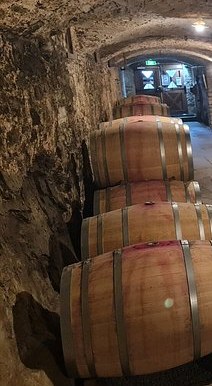
Austrian Jesuits reached South Australia in December 1848. In 1849 they bought 100 acres and named the place Sevenhill, after the seven hills of Rome. They planted vines in 1851 so they would not have to buy altar wine from Europe, and built the region's first winery in 1852. Today Sevenhill Cellars calls it the first winery in the Clare Valley and one of the oldest in Australia.
5. A prize within a decade
By 1858 the Jesuits' wine was taking first prize at the Auburn Agricultural Exhibition.
6. There is a crypt under the church
St Aloysius' Church at Sevenhill has a crypt that holds 41 Jesuit brothers. You can look round the church and the underground cellar on your own. The Clare Valley wineries page tells the Sevenhill story in full.
The wine
7. The screw cap started here
If your Australian Riesling has a screw cap, the Clare Valley had a hand in it. Trials began at Yalumba in the 1970s, but it was in 2000 that Clare Valley winemakers banded together to champion the Stelvin screw cap for their Riesling. Today it is rare to find an Australian Riesling under cork.
8. The vineyards are high
Many vineyards sit at 400 to 500 m, rising to 608 m at Mt Horrocks. Warm days and cool nights ripen the grapes slowly and evenly, which the Clare Valley Wine and Grape Association credits for some of the best Rieslings in Australia. Snow has even been recorded, though rarely.
9. Clare fruit goes into Grange
Clare Valley growers supply fruit for Penfolds Grange and St Henri, two of Australia's best-known red wines.
10. Riesling is not the only story
Riesling, Shiraz and Cabernet Sauvignon together make up nearly 80% of the region's wine. Leasingham's Classic Clare Shiraz won the Jimmy Watson Trophy, one of Australian wine's top awards. And the valley grows newer arrivals too:
- Sangiovese, the grape of Chianti
- Tempranillo, from Spain
- Assyrtiko, the white grape of Santorini
11. There are no official sub-regions
Unlike many wine regions, the Clare Valley has no legally defined sub-regions. The land divides it instead into localities, such as Auburn, Watervale, Sevenhill, Polish Hill River and Clare.
The landscape
12. The bike path was a railway
The Riesling Trail follows a railway corridor from the 1860s. It ends at the restored Auburn railway station, now the cellar door of Mount Horrocks Wines. The Riesling Trail, town by town rides it leg by leg.
13. A tree found nowhere else in the state's reserves
Spring Gully Conservation Park protects the westernmost population of red stringybark, and it is the only reserve in South Australia with that species. After rain, a seasonal waterfall drops 18 m there, and western grey kangaroos graze in the evenings. Things to do in the Clare Valley has the walks.
14. The ground changes from vineyard to vineyard
Clare Valley soils are a mix of red loam, limestone, slate and shale, and many of the vineyards on them are dry-grown. Ask at a cellar door which ground a wine came from.
15. Long-distance trails cross the valley
The Riesling Trail is the famous one, but it is not alone. The Mawson Trail, a long cycling route, links into it. The Heysen Trail and the Lavender Federation Trail, both walking routes, run through the Clare Valley, and the Rattler Trail runs 19 km from Auburn to Riverton.
16. The oldest festival of its kind
The Clare Valley Gourmet Festival calls itself Australia's longest running wine and food festival. It runs over four days each May; the 2027 festival is from 14 to 17 May. In September, the Festival of the Lamb marks the spring equinox with budburst in the vineyards and new-season lamb. Clare Valley weather lists the dates.
Where to hear these stories
The Tourism Centre on Spring Gully Road, the Sevenhill church and a quiet ride on the trail will tell you a lot. A guide will tell you more. The private day for four opens at Sevenhill, and the Clare Valley Wine Escape visits Taylors and Pikes. Compare every day on Clare Valley Tours, and plan your visit with visiting the Clare Valley.
Days that bring the stories to life
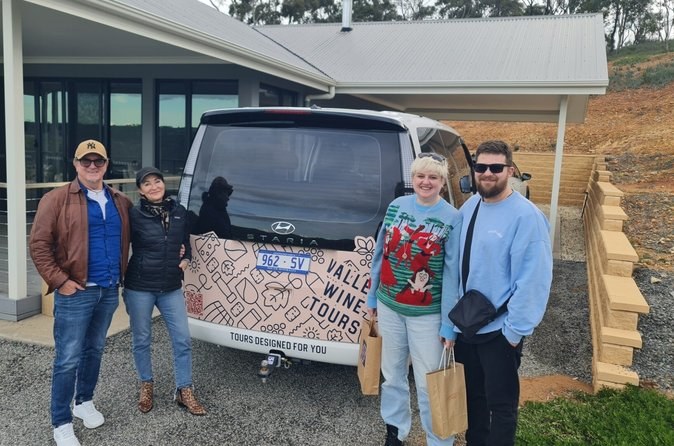
Group of Four Private Clare Valley Wine Tour with Lunch
Only your group of up to four, a route shaped around the wines you like, and the scheduled tastings and lunch in one group price.
From $535 per group, up to 4
Check Availability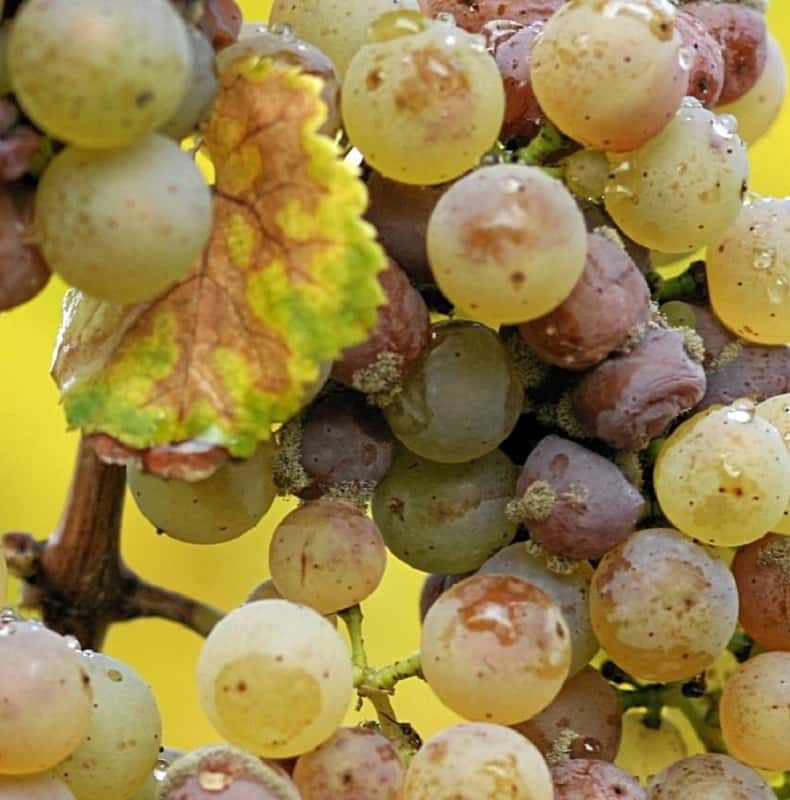
Clare Valley Wine Escape
Eight hours from your Adelaide or Glenelg hotel to Auburn, Taylors, O'Leary Walker, Hill River and Pikes, with tastings and lunch in the fare.
From $341 per person
Check AvailabilityNext: choose the story you most want to stand inside, and book the day that goes there. Every fare sits side by side on Clare Valley Tours.